Germany has some of the strictest payroll laws in Europe. Managing German tax withholding for HR and legal teams involves more than just processing salaries; it also includes complying with strict laws and deadlines.
Employers are responsible for deducting income tax directly from wages. In addition, they must submit monthly reports and issue annual certificates. With constant changes to tax allowances and contributions, it is easy for HR departments to fall behind.
This strategy guide explains how German tax withholding works in 2025, employer responsibilities, and compliance best practices. It is designed to help HR and legal professionals build a reliable withholding system that reduces risk and saves time.
Understanding German tax withholding
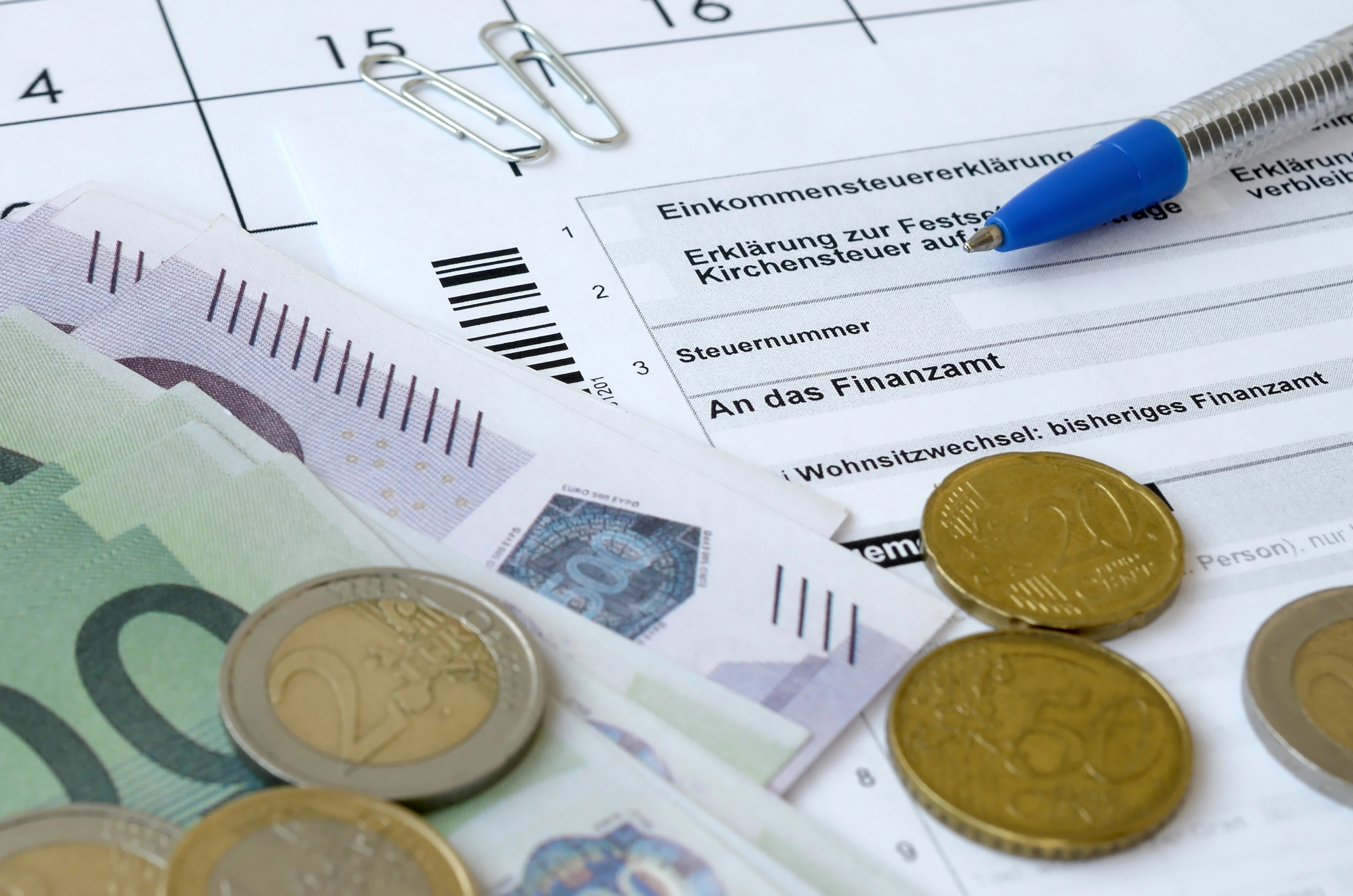
German tax withholding, known as Lohnsteuer, ensures that employees meet their income tax obligations without filing monthly payments themselves. Employers withhold taxes and remit them directly to the Finanzamt (local tax office).
The amount withheld depends on:
- The employee’s tax class (Steuerklasse)
- Marital status and number of dependents
- Additional factors such as church membership and income level
Employers act as intermediaries between employees and the state. Any mistakes in withholding are the employer’s legal responsibility, making accuracy a top priority for HR teams.
Key withholding categories

Tax withholding in Germany includes several components:
1. Wage tax (Lohnsteuer)
This is the core income tax withheld from salaries. The rate depends on income and tax class.
2. Solidarity surcharge (Solidaritätszuschlag)
A 5.5% surcharge is applied to income tax. Since 2021, most low and middle-income employees are exempt, but high earners still pay it.
3. Church tax (Kirchensteuer)
Employees registered with a church pay 8-9% of their wage tax. HR must track employee declarations to calculate this correctly.
4. Social security contributions
Although not technically a tax, contributions are withheld at the same time. They cover:
- Pension insurance
- Health insurance
- Unemployment insurance
- Nursing care insurance
Employers must split these costs with employees and report them accurately.
Employer responsibilities
Employers in Germany carry the legal duty to manage tax withholding correctly. Their obligations include:
1/ Registering employees
Each new hire must be reported to the Finanzamt. Employee tax classes are retrieved automatically through the electronic tax card system (ELStAM).
2/ Deducting taxes correctly
Taxes must be withheld according to the employee’s Steuerklasse. Any changes in marital status, dependents, or multiple jobs must be updated immediately.
3/ Filing electronic returns
All tax filings are made via ELSTER, Germany’s electronic tax portal. Employers must submit monthly wage tax reports and confirm that payments have been received.
4/ Issuing annual certificates
By the end of February each year, employers must provide employees with a Lohnsteuerbescheinigung (annual wage tax certificate) for personal tax filing.
Failing to meet these obligations can lead to penalties, audits, and reputational damage.
Tax classes (Steuerklassen) explained
Germany uses six tax classes to determine how much income tax is withheld. HR and payroll teams must understand these categories:
- Class I: Single or divorced, no children.
- Class II: Single parents with dependents.
- Class III: Married, with one spouse earning significantly more.
- Class IV: Married, both earning similar incomes.
- Class V: Married, used in combination with Class III for the other spouse.
- Class VI: Secondary employment (for employees with more than one job).
Correct classification is essential. A mistake here can result in incorrect withholding, which often requires lengthy adjustments later.
Deadlines and reporting requirements
German payroll operates on strict deadlines.
- Monthly filings: Taxes withheld in one month must be submitted to the Finanzamt by the 10th of the following month.
- Annual reporting: Employers must issue the wage tax certificate to employees by February 28th of the following year.
- Corrections: Any payroll errors must be corrected immediately through amended filings.
- Penalties: Late or incorrect submissions can lead to fines, back payments, and interest charges.
For multinational companies, these deadlines can be especially challenging when coordinating across different jurisdictions.
Updates for 2025
Tax laws in Germany change almost every year. In 2025, the following updates apply:
- Basic tax-free allowance (Grundfreibetrag): Increased to €12,180 (up from €11,604 in 2024).
- Child allowance (Kinderfreibetrag): Increased to €6,390 per parent.
- Social security contribution ceilings: Raised to €62,100 annually for statutory health insurance.
- Digital tools: ELSTER has introduced expanded reporting functions for employers with international payroll systems.
HR teams should update payroll software regularly to reflect these new figures.
Common compliance challenges
Despite strict rules, many companies struggle with German tax withholding. The most common issues include:
1/ Cross-border employees
Expatriates and remote workers can create double taxation risks. Employers must check Germany’s bilateral tax treaties to avoid incorrectly withholding.
2/ Frequent tax class changes
Employee life events such as marriage, divorce, or having children can shift tax classes. HR must update records immediately to avoid discrepancies.
3/ Payroll errors
Manual data entry often leads to mistakes. Even small errors in withholding can trigger audits or penalties.
Best practices for HR and legal teams
To reduce risks and streamline processes, HR departments can follow these steps:
- Automate payroll: Use payroll software that integrates with ELSTER and updates automatically with tax law changes.
- Stay updated: Assign one team member to track annual tax reforms and communicate changes to employees.
- Seek expert advice: Work with tax consultants for expatriate employees or complex payroll cases.
- Maintain accurate records: Ensure employee information such as marital status, dependents, and church membership is always current.
German tax withholding vs other EU systems
Germany’s withholding system is known for its complexity. Compared to other EU countries:
- France: Uses a centralized withholding system managed by tax authorities.
- Netherlands: Employers report wages through a streamlined monthly return.
- Germany: Employers hold more responsibility for classification, reporting, and error management.
For global companies, this means more administrative work but also greater control over payroll accuracy.
Strategic approach for global companies
International businesses entering Germany should take a structured approach:
- Align policies across borders: Standardize payroll processes while adapting to local regulations.
- Train HR staff: Provide regular workshops on German payroll law.
- Consider outsourcing: Employer of Record (EOR) providers can take over payroll, tax withholding, and compliance responsibilities.
As a result, this approach ensures compliance while reducing the workload for internal teams.
How Gini Talent can help
Managing German tax withholding is complex, especially for multinational employers. Gini Talent helps companies simplify payroll and compliance through:
- Employer of Record (EOR) services for fast market entry
- International payroll management with automated compliance
- Legal and HR advisory to ensure full alignment with German labor laws
With Gini Talent as your partner, expanding into Germany becomes smoother, safer, and more efficient.
Conclusion
Accurate German tax withholding is a cornerstone of payroll compliance in Germany. For HR and legal teams, it is about more than deductions. It ensures trust with employees, avoids penalties, and supports long-term growth.
By keeping up with annual tax updates, using modern payroll tools, and adopting best practices, companies can manage withholding with confidence.
Ready to simplify payroll in Germany? Partner with Gini Talent for expert support in tax withholding, HR compliance, and global hiring solutions.